
Parent Alert December 2025

Internet Safety and Media Literacy
The internet is used in nearly every part of our lives, and that is especially true for today’s youth. Everything including schoolwork, social media, college applications, and many hobbies require an internet connection. Our constantly connected world brings a messy mixture of both good and bad. Staying connected to friends, having access to virtual libraries and other resources to complete assignments, and catching up on the latest movies and TV shows is great. However, there are ever present dangers like predators, cyberbullying, and other inappropriate content and conduct that no one should be exposed to, let alone youth. The internet is not going anywhere anytime soon, and the best way to protect ourselves and our children is to gain an understanding of internet safety and media literacy.
The first step to internet safety is to learn about the risks of being online. The next step is to learn about laws and online tools that are in place to help parents protect their kids. The Children’s Online Privacy Protection Act (COPPA) is a federal law designed to keep anyone from getting a child’s personal information without parental consent. Many websites and online games also have built-in child safety features parents can turn on to monitor their child’s activity online. The final step is to teach your kids about online safety and set rules for internet use. Here are some guidelines for both parents and kids:
- Follow the family rules, and those set by the internet safety provider.
- Never share personal information online unless it is a trusted source.
- Bookmark favorite sites for easy access and simpler monitoring.
- Take negative interactions and uncomfortable content seriously. Parents should regularly check-in with children on the things they are seeing online.
Media literacy goes hand in hand with internet safety. Reading Partners defines media literacy as “a set of skills that help people, not just youth, analyze the content of media messages that they receive and send.” These skills help us fact check content, recognize an author’s or creator’s intent, and recognize the role that the media and social media algorithms play in our lives. There are thousands of different news sources and information-sharing content creators. Learning to recognize when someone is sharing misinformation, being misleading, or using their platform for the wrong reasons can help you reduce the amount of their content you see and can keep you and your children safer online. Here are some techniques you can use:
- Check to see if something is authentic by looking for credible sources that corroborate the information.
- Look to see if there is evidence to back up the claims being made and if the source is using solid reasoning to justify their claims.
- Keep context in mind. All content is made with the intention of keeping you engaged. Does the headline you’re reading play on your emotions or have a clickbait title?
Internet safety and media literacy go hand in hand. Understanding both of them will increase the quality of the content you engage with, and will help you protect your children from the risks of being online. Talking to your kids about these concepts will show them that you care, and will help them learn how to use the internet responsibly. Our experiences online can only improve when we use the internet responsibly.
Check out the resources below to learn more.
Resources
Prevention Action Alliance – Know! to Build Media Literacy Skills
Prevention Action Alliance – Know! to Discuss Youth Safety Online
Prevention Action Alliance – Know! to Support Healthy Digital Well-Being
Nemours KidsHealth – Online Safety
Reading Partners – The importance of media literacy
School Library Connection Archive – Hand in Hand: Media Literacy and Internet Safety
Gambling in the Modern Age: How Kids are Being Targeted and How Sports Betting Causes Harm
We tend to think of gambling in relation to casinos, slot machines, and lottery tickets, but gambling is more prevalent in our lives than we realize. Sports betting, loot boxes in video games, and even mystery toys and candy are forms of gambling. The increased influence of gambling on otherwise mundane activities normalizes gambling and introduces people to it without them realizing. These activities are not necessarily bad, but it is important to keep in mind that anyone who gambles is at risk for developing a gambling disorder. This is of particular concern in the modern day where kids are being introduced to gambling mechanics at younger ages, and sports betting continues to grow in popularity.
Anyone younger than 18 cannot participate in gambling including purchasing lottery tickets, entering casinos, or online betting such as online poker and sports betting. There are plenty of laws and regulations in place prohibiting children from accessing these things, but kids are still being exposed to gambling at young ages. Video game loot boxes, online social casinos, and mystery packs from the toy aisle are introducing kids to the idea of gambling. This includes the associated feelings from “winning” by getting a costume in a game or getting the rarest version of a collectible toy, as well as the opposite feeling from not getting the thing they were hoping to. A 2020 youth gambling study found that young people who play video games with gambling mechanics or who engaged in simulated gambling on social networking sites were more likely to spend money on all forms of gambling including lotteries and sports betting.
The federal ban on sports betting was lifted in 2018 which led to rapid growth in the industry. Apps like DraftKings Sportsbook, BetMGM Sportsbook, and Caesars Sportsbook have made betting on your favorite teams easier and more accessible than ever before. These platforms also have several endorsements from celebrities which increase their popularity and ensure that every sports fan is inundated with messaging saying they can make money while watching their favorite teams. As of 2023, more than half of American adults live in a place where sports betting is legal. The proliferation of sports betting has led to an increase in the amount of people gambling, which has increased the amount of people experiencing symptoms of problem gambling and its related harms.
The National Council on Problem Gambling defines problem gambling as “gambling behavior that is damaging to a person or their family, often disrupting their daily life and career.” Sports betting addiction is one form of problem gambling. According to the Addiction Center, “Sports betting is a behavioral disorder characterized by a persistent and uncontrollable desire to bet on sports despite adverse outcomes.” Problem gambling, or gambling addiction, works the same as addiction to substances. The release of dopamine activates the reward center of the brain when you place a bet or scratch a ticket, and this release happens whether you win or lose. People who are susceptible to this feeling will continue chasing it regardless of the outcome, and that can lead to addiction. Addiction does not have an age limit, which means young people are just as likely to develop a disorder from opening a loot box as an adult is from placing a wager on their favorite team. Some symptoms of problem gambling include:
- Thinking about gambling all the time.
- Feeling the need to bet more money and more often.
- Feeling restless or irritable when trying to stop or cut down.
- Gambling despite negative consequences.
Developments in technology have made gambling and its related mechanics accessible to people of all ages. There are laws and regulations in place to prevent young people from participating in lotteries or sports betting, but those laws and regulations do not address loot crates in video games or similar apps where you spend real money with the hope of getting a randomly dropped reward. Steps are being taken to take this early introduction to gambling into account, but that process takes time. Similarly, the rise in sports betting and its aggressive marketing has led to many people trying gambling, and therefore, has increased the rates of problem gambling and related symptoms. Gambling is no longer limited to casinos and sportsbook businesses. Understanding how gambling works in the modern age can help reduce the risks associated with gambling, and can help protect children from the potential harms of engaging with gambling mechanics in video games and similar apps.
Please check out the resources from Pause Before You Play and the Problem Gambling Network of Ohio if you, or someone you know, are experiencing any problems with gambling.
Resources
AddictionCenter – Sports Betting Addiction
GambleAware – Gaming, gambling, and young people
Lee Health – The Rise of Sports Gambling: Understanding the New Addiction Landscape
National Council on Problem Gambling – FAQs: What is Problem Gambling?
Springer Nature Link – Bet More – But Only with Me: Role of Celebrity Endorsers in Sports Betting Advertising
Pause Before You Play – Homepage
Problem Gambling Network of Ohio – Homepage
YouTube – CBS Sunday Morning: The dangers of sports gambling addiction
YouTube – GambleAware NSW: What you don’t know about your kids’ gaming

Wayne County Coalitions strives to observe the many different awareness events throughout the year that focus on mental health, substance use prevention, and other important topics. Please click on the links to learn more.
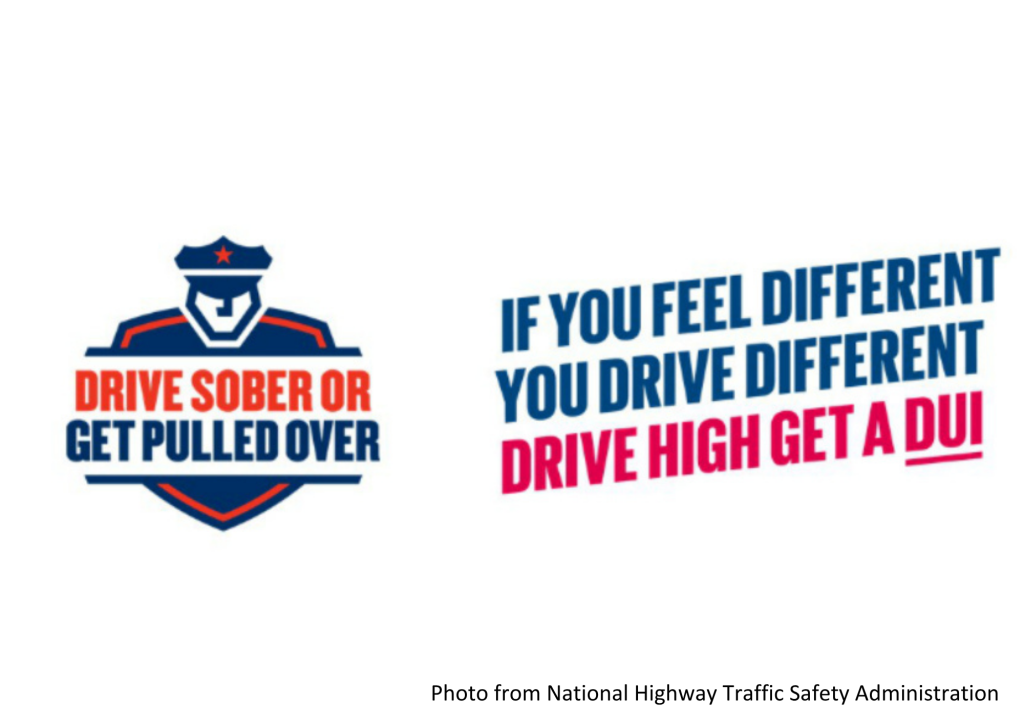
National Impaired Driving Prevention Month: No level of intoxication or drug impairment is safe for driving. Please stay safe this holiday season, and every season, by planning ahead.
National Highway Traffic Safety Administration – Drive Sober This December, and Every Month
National Highway Traffic Safety Administration – Drunk Driving
SAMHSA – Socializing Safely this Season: National Impaired Driving Prevention Month

Seasonal Affective Disorder (SAD) Awareness Month: Changes in the season cause some people to experience changes in mood, energy, and motivation. Seasonal Affective Disorder occurs when these changes are serious and affect how a person feels, thinks, and behaves. Support and treatment are available if you or someone you know is experiencing SAD.
NIH – Seasonal Affective Disorder
Universal Human Rights Month and Human Rights Day (December 10): These observances remind us that human rights are positive, essential, and attainable. This year’s Human Rights Day theme is Human Rights, Our Everyday Essentials, which asks us to consider how human rights shape our daily lives.
National Today – Universal Human Rights Month
United Nations – Human Rights Day


Resources
Children’s Hospital of Orange County – Coping with grief during the holidays
Grief Recovery Center – 10 Ways to Help a Child Cope with Grief Through the Holidays
Prevention Action Alliance – Coping with Grief During the Holidays
Tragedy Assistance Program for Survivors – 7 Ways to Help Grieving Children During the Holidays
What’s Your Grief – Homepage
What’s Your Grief – 7 Ways to Go Easy on Yourself While Grieving at the Holidays
What’s Your Grief – 8 Tips for Remaining Present at the Holidays (While Grieving)
What’s Your Grief – 16 Ideas for Creating New Holiday Tradition After a Death
What’s Your Grief – 64 Tips for Coping with Grief at the Holidays
What’s Your Grief – After a Death, the Holidays are a Secondary Loss
What’s Your Grief – Changing Holiday Traditions; Keeping Holiday Values
What’s Your Grief – Five Tips for Living With a Grief Monster
What’s Your Grief – Setting Holiday Boundaries (even when it’s hard)
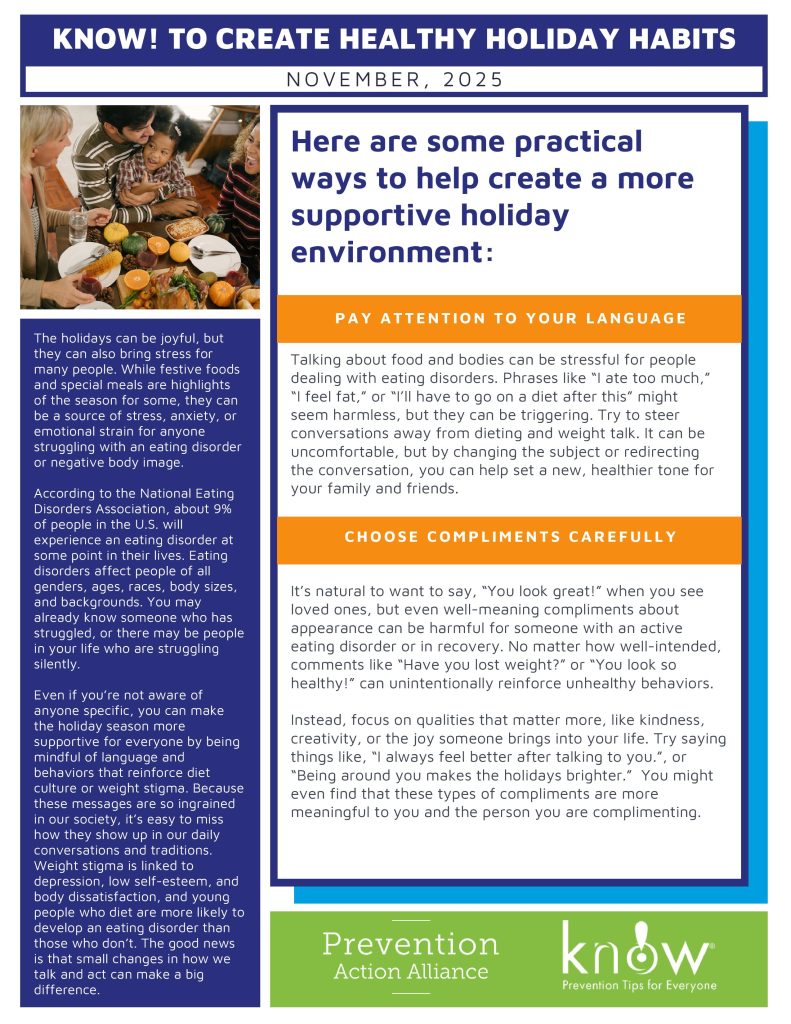
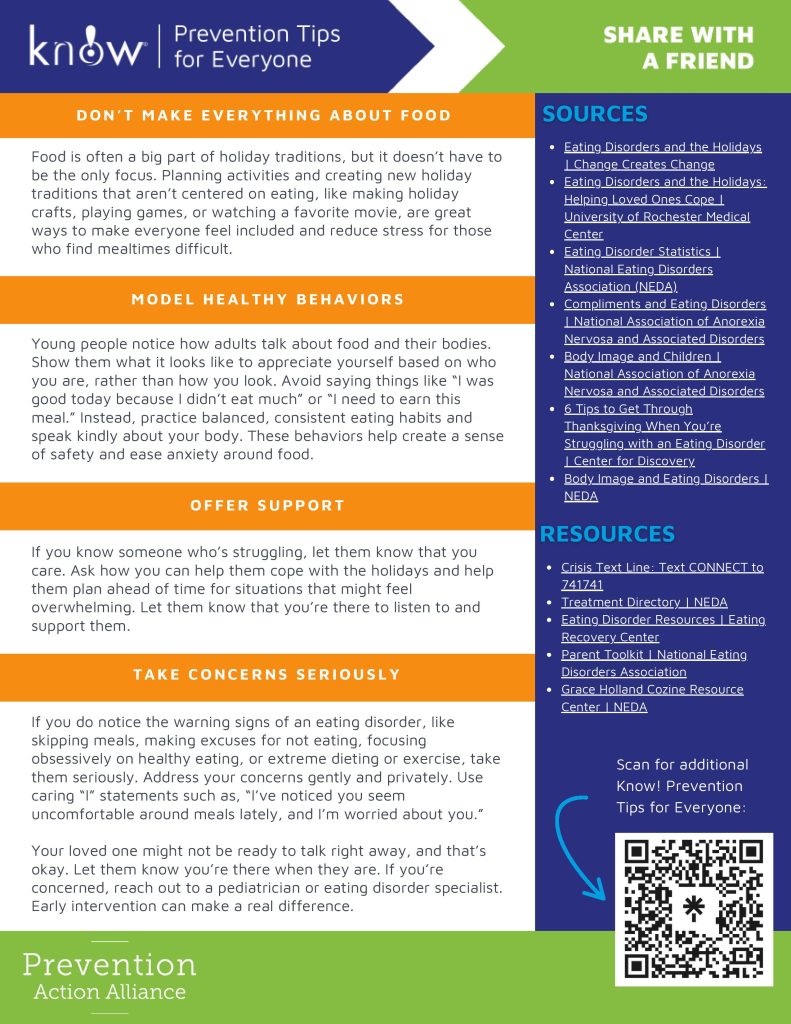
Resources
Center for Discovery – Thanksgiving and Eating Disorders: 6 Helpful Tips
Change Creates Change – Eating Disorders and the Holidays
Crisis Text Line – How to Cope with an Eating Disorder
Eating Recovery Center – Types of Eating Disorders: Symptoms, Causes, Resources & More
National Association of Anorexia Nervosa and Associated Disorders (ANAD) – Compliments and Eating Disorders
National Association of Anorexia Nervosa and Associated Disorders (ANAD) – Parents and Body Acceptance
National Eating Disorders Association – Body Image and Eating Disorders
National Eating Disorders Association – Eating Disorder Statistics
National Eating Disorders Association – Grace Holland Cozine Resource Center
National Eating Disorders Association – Toolkits
National Eating Disorders Association – Treatment Directory
University of Rochester Medical Center – Eating Disorders and the Holidays: Helping Loved Ones Cope
Thank you for being a vital member of our community!
Please click on the link below to send this Parent Alert to a family member or friend. They will also have the opportunity to sign up to receive monthly Parent Alerts.
http://eepurl.com/g79Obf http://eepurl.com/g79Obf
 |  |  |
Copyright © 2025 CIRCLE Coalition. All rights reserved.
Our mailing address is:
CIRCLE Coalition
c/o 104 Spink St.
Wooster, OH 44691
CoalitionsCommunication@gmail.com