
Parent Alert February 2026

Cannabis Effects on Physical and Mental Health
The terms cannabis and marijuana are often used interchangeably, but they refer to different things. Cannabis refers to all products derived from the Cannabis sativa plant, and marijuana refers to the parts of the plant containing substantial amounts of tetrahydrocannabinol (THC) which is the chemical that causes a person to feel high. Cannabis can be used in multiple forms including smoking marijuana, consuming THC edibles like gummies or brownies, or through THC-infused vape juice in an e-cigarette. Cannabis research has expanded rapidly, and short and long term effects can vary depending on age, frequency of use, THC potency, and health status.
Short-term effects include:
- Altered sensory perception
- Mood changes
- Impaired cognition and memory
- Increased heart rate
- Slowed reaction time
Long-term effects include:
- Respiratory difficulties
- Adolescent brain development issues if someone regularly uses cannabis during adolescence
- Psychiatric disorders
- Cannabis use disorder
- Increased risk of other substance use disorders
As more states make cannabis legal, it’s getting easier for false information about its benefits to spread. Even though laws and public opinions are changing, the real health risks of cannabis—especially for young people—are still proven and important to understand. Learning the facts about cannabis and its risks can help you recognize misinformation and talk to your kids about why using cannabis can be harmful.
Check out the links below to learn more. The Smart Approaches to Marijuana resource provides a great breakdown comparing pro-marijuana claims to what the science says.
Resources
American Addiction Centers – Marijuana Side Effects: Physical, Mental, and Long-Term Effects
CDC – Cannabis Health Effects
Cleveland Clinic – Marijuana (Cannabis, Weed)
Smart Approaches to Marijuana – The Science


Resources
Let’s Talk Cannabis Illinois – Talk Tips and Family Safety
Let’s Talk Cannabis Illinois – Talking to Your Kids About Cannabis
Nationwide Children’s – Keeping Kids Safe Around Cannabis (Marijuana) Edibles
Ohio Department of Commerce – Ohioans Urged to Be Cautious and Responsible if Using Cannabis
Partnership to End Addiction – Cannabis Use in Your Home: Your Rules and Actions Matter
Partnership to End Addiction – Setting Limits and Monitoring Behavior to Prevent Substance Use
Partnership to End Addiction – Marijuana Talk Kit

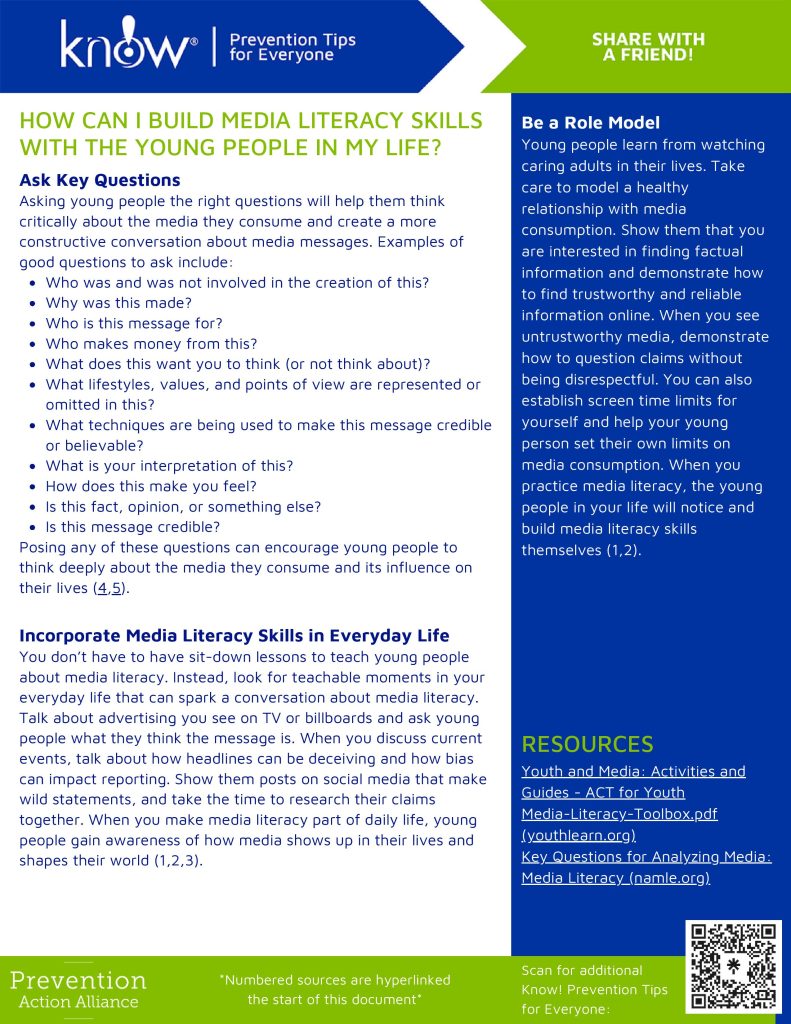
How Media Shapes Our Perceptions of Substance Use and Addiction
The entertainment industry influences our behavior and what we see as acceptable. These influences can be positive things like fostering empathy and increasing social awareness of various issues, but they can also be negative things like glamorizing alcohol and substance use or using harmful stereotypes to portray a character with a substance use disorder. Society’s knowledge of substance use and addiction has grown, but entertainment doesn’t always reflect this updated understanding.
Alcohol and substances have an impact on culture, and that influence can be seen in our entertainment. For example, our culture has normalized the presence of alcohol nearly everywhere we go whether it is a sporting event, a wedding, or the zoo. This is not necessarily a bad thing, but it does show that our culture promotes regular alcohol use and creates an opportunity for use regardless of setting. Entertainment typically portrays its influences in exaggerated ways, so a culture that promotes regular alcohol use is portrayed as people drinking excessively or binge drinking at every party they go to. The majority of people do not drink excessively or binge drink, but these unhealthy habits are shown so often that it changes the perception of the social norm. In other words, we start thinking that the majority of people excessively drink when they go to parties because that is what we see on screen and hear in our music.
Another issue with how alcohol and substance use is portrayed in entertainment is the lack of negative consequences from unhealthy habits. Movies showing people drinking excessively at a party will make a joke out of the hangover the next morning or will have characters make fun of the person throwing up in the corner. Another example would be characters using cannabis and their conversations being shown for comedic effect. Both of these examples ignore the reality of misusing alcohol or substances. The person throwing up in the corner is probably experiencing alcohol poisoning, and That 70’s Show showing teenagers high off marijuana in most episodes does not talk about the impact that regular cannabis use will have on their developing brains. Entertainment is meant to be an escape from reality, but the influence it exerts on our reality becomes a problem when it celebrates the misuse of substances or plays into harmful stereotypes about people who use substances.
Entertainment media glamorizes the use of alcohol and other substances during “party scenes”, but the tone changes when it comes to characters with a substance use disorder. Characters who use substances are often shown in two extreme ways. They are either the “cool” person who parties, breaks rules, and seems popular, or they are portrayed as a “loser” who has messed up their life and is a burden to others. These portrayals make substance use look fun and social in one case, or like a personal failure that someone must face alone in the other. Neither of these approaches to substance use disorder shows addiction for what it truly is; a disease that requires treatment and social support for an individual to recover.
Entertainment often portrays substance use and addiction in inaccurate ways that either ignore the negative effects of using substances, or celebrate and/or stigmatize individuals with a substance use disorder. These portrayals are changing as society’s understanding of substance use and addiction grows, and more movies, TV shows, and songs are exploring the negative side effects of substance use or the challenges people face as they struggle with a substance use disorder. Understanding the realities of substance use and addiction ensures that entertainment does not influence our perceptions of reality, and can help us prepare for conversations with youth so they are not influenced by the things they watch or listen to.
Entertainment reflects what society accepts, but it also exaggerates behaviors in ways that can influence how young people see the world. As a parent, it’s important to know that entertainment often shows addiction and substance use in ways that simply aren’t accurate. Explore the links below to learn more about how entertainment can shape perceptions, and find out how you can guide your child to think critically about the media they consume.
Resources
American Addiction Centers – The Entertainment Industry and Addiction in America
Harmony Ridge Recovery Center – How Does the Media and Television Influence Drug Use?
NIH – Media/Marketing Influences on Adolescent and Young Adult Substance Abuse
Recovery Research Institute – It Looks Cool on TV – Media Portrayals of Substance Use
Roots Through Recovery – Addiction in Pop Culture: How Media Shapes Our Perceptions

Wayne County Coalitions strives to observe the many different awareness events throughout the year that focus on mental health, substance use prevention, and other important topics. Please click on the links to learn more.

Black History Month: Black History Month is a time to celebrate Black history and achievement. This year’s theme is A Century of Black History Commemorations. ASALH: Association for the Study of African American Life and History, the founders of Black History Month, see extra significance to this year’s celebration. In their words, “To understand the modern world, especially nations where Black peoples form a significant population, one must grapple with the impact that the public observances have had on the past and the present. This year, when we are also commemorating the 250th anniversary of United States independence, it is important to tell not only an inclusive history, but an accurate one.”
Association for the Study of African American Life and History – About the 2026 Black History Month
Association for the Study of African American Life and History – The Origins of Black History Month

Teen Dating Violence Awareness Month: February is Teen Dating Violence Awareness Month, a time to shine a light on the unhealthy relationship behaviors that impact millions of teens each year. This year’s theme, Real Love Respects, empowers youth to recognize harmful patterns early and to expect more from love. By raising awareness and sharing resources, we can help young people build healthy connections and know where to turn for support.
Love is Respect – The What, Why & How of TDVAM
OneLove – February is Teen Dating Violence Awareness Month
Teen Dating Violence – Teen Dating Violence Month
New York State Office for the Prevention of Domestic Violence – Healthy Relationship Quiz

National Eating Disorders Awareness Week: 30 million Americans are affected by eating disorders in their lifetime. This year’s theme, Fighting for Change, Committed to Change – Every Body Belongs, is a reminder that every body matters, has a voice, and deserves compassion, treatment, support, hope, and change.
National Eating Disorders Association – Homepage
Eating Disorder Hope – Eating Disorder Hotlines for 24/7 Crisis Help

Resources
Act for Youth – Youth and Media: Activities and Guides
Gallup – Teens Spend Average of 4.8 Hours on Social Media Per Day
National Association for Media Literacy Education – Key Questions to Ask When Analyzing Media Experiences
Education Development Center – Youth Learn: Media Literacy Toolbox
Thank you for being a vital member of our community!
Please click on the link below to send this Parent Alert to a family member or friend. They will also have the opportunity to sign up to receive monthly Parent Alerts.
http://eepurl.com/g79Obf http://eepurl.com/g79Obf
 |  |  |
Copyright © 2026 CIRCLE Coalition. All rights reserved.
Our mailing address is:
CIRCLE Coalition
c/o 104 Spink St.
Wooster, OH 44691
CoalitionsCommunication@gmail.com